

Trent’anni fa, il 17 settembre 1996, i Tool pubblicavano in vinile “ÆNIMA”, il loro secondo album in studio e uno dei lavori più importanti della scena rock alternativa degli anni Novanta. L’edizione in CD sarebbe arrivata poche settimane dopo, il 1° ottobre.
Con “ÆNIMA”, la band di Maynard James Keenan, Adam Jones, Danny Carey e Justin Chancellor portò il proprio linguaggio musicale a un livello completamente nuovo. Il disco partiva dalle fondamenta dell’hard rock e del metal, ma le ampliava attraverso strutture complesse, atmosfere psichedeliche, ritmi irregolari, passaggi dilatati e una ricerca sonora estremamente personale.
La tracklist è diventata nel tempo una vera collezione di brani simbolo dei Tool. Si parte da “Stinkfist”, passando per “Eulogy”, “H.”, “Forty Six & 2” e “Hooker with a Penis”, fino ad arrivare a “Pushit”, “Ænema” e “Third Eye”, una conclusione di oltre tredici minuti che rappresenta perfettamente l’ambizione del gruppo.
Uno degli elementi più caratteristici dell’album è proprio il modo in cui i Tool riescono a trasformare il rock pesante in un’esperienza più ampia e immersiva. Le chitarre di Adam Jones costruiscono riff potenti e spesso ipnotici, mentre la batteria di Danny Carey diventa parte integrante della composizione, con cambi di tempo e soluzioni ritmiche che contribuiscono a rendere il sound della band immediatamente riconoscibile.
Anche il basso di Justin Chancellor, entrato nella formazione prima della realizzazione dell’album, assume un ruolo fondamentale. Le sue linee non si limitano a sostenere le chitarre, ma diventano spesso protagoniste, creando intrecci ritmici che aggiungono profondità alle composizioni.
Sul piano dei testi, Maynard James Keenan affronta temi legati alla rabbia, alla trasformazione personale, alla spiritualità, alla società e alla percezione della realtà. Il titolo stesso, “ÆNIMA”, nasce dall’unione concettuale tra “anima” ed “enema”, riflettendo l’approccio provocatorio e volutamente ambiguo della band. Keenan ha descritto l’idea dell’album anche come una sorta di processo di cambiamento e di “pulizia”, attraverso il quale liberarsi di ciò che non serve più.
Il risultato è un album che, pur essendo profondamente radicato nel rock degli anni Novanta, non rimane confinato a quella stagione musicale. “ÆNIMA” contribuì infatti a portare i Tool oltre le etichette dell’hard rock e del metal, aprendo la strada a una forma di rock progressivo, oscuro e psichedelico che avrebbe influenzato numerosi artisti negli anni successivi.
Il disco raggiunse il secondo posto della Billboard 200 e i brani “Stinkfist”, “Forty Six & 2” e “Ænema” ottennero una forte presenza nelle classifiche rock statunitensi. L’album avrebbe inoltre superato i tre milioni di copie vendute negli Stati Uniti, consolidando definitivamente la posizione dei Tool nella scena internazionale.
A distanza di tre decenni, “ÆNIMA” continua quindi a rappresentare un punto fondamentale nella storia dei Tool: un album complesso, oscuro e ambizioso, capace di unire potenza, tecnica, psichedelia e ricerca sonora senza perdere l’impatto del rock.
Il suo trentesimo anniversario è l’occasione per riscoprire un disco che, ancora oggi, mantiene intatta una caratteristica fondamentale: non assomiglia davvero a nient’altro.
By DREW & ELLA WILD
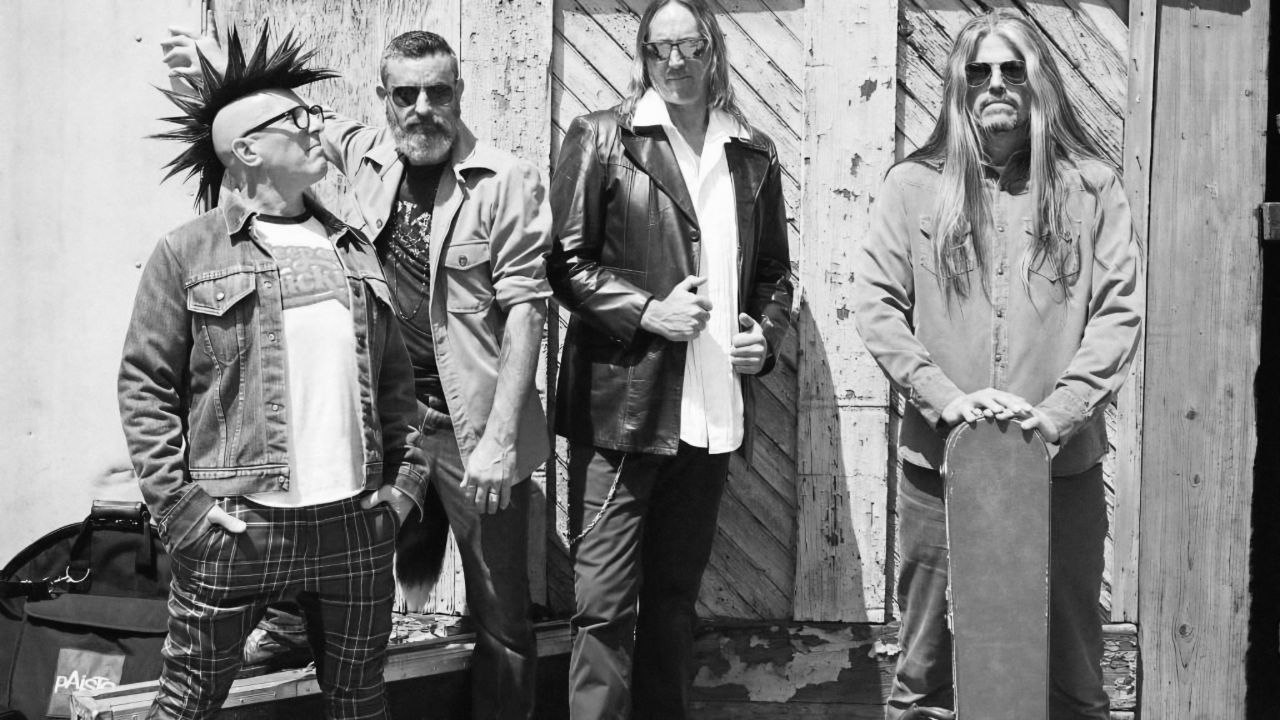
TOOL, 30 YEARS OF ÆNIMA: THE ALBUM THAT REWROTE ALTERNATIVE ROCK
Thirty years ago, on September 17, 1996, Tool released “ÆNIMA” on vinyl — their second studio album and one of the most important works of the 1990s alternative rock scene. The CD edition would follow a few weeks later, on October 1.
With Ænima, the band — Maynard James Keenan, Adam Jones, Danny Carey and Justin Chancellor — pushed their musical language to an entirely new level. The record built on the foundations of hard rock and metal, expanding them through complex structures, psychedelic atmospheres, irregular rhythms, extended passages and a deeply personal sonic exploration.
Over time, the tracklist has become a true collection of signature Tool songs. It opens with “Stinkfist”, moves through “Eulogy”, “H.”, “Forty Six & 2” and “Hooker with a Penis”, and reaches “Pushit”, “Ænema” and “Third Eye”, a thirteen‑minute finale that perfectly embodies the band’s ambition.
One of the album’s most distinctive elements is the way Tool transform heavy rock into a broader, immersive experience. Adam Jones’ guitars craft powerful, often hypnotic riffs, while Danny Carey’s drumming becomes an integral part of the composition, with time‑signature shifts and rhythmic solutions that make the band’s sound instantly recognizable.
Justin Chancellor’s bass — he joined the lineup before the album’s creation — also plays a crucial role. His lines don’t simply support the guitars; they often take the lead, weaving rhythmic patterns that add depth to the compositions.
Lyrically, Maynard James Keenan explores themes of anger, personal transformation, spirituality, society and perception of reality. The title Ænima itself merges the concepts of “anima” and “enema,” reflecting the band’s provocative and deliberately ambiguous approach. Keenan has described the album’s idea as a kind of process of change and “cleansing,” a way to shed what is no longer needed.
The result is an album that, while deeply rooted in 1990s rock, refuses to remain confined to that era. Ænima helped push Tool beyond the labels of hard rock and metal, paving the way for a form of progressive, dark and psychedelic rock that would influence countless artists in the years to come.
The record reached No. 2 on the Billboard 200, and tracks like “Stinkfist”, “Forty Six & 2” and “Ænema” gained strong traction on U.S. rock charts. The album would go on to surpass three million copies sold in the United States, firmly establishing Tool’s position on the international scene.
Three decades later, Ænima remains a cornerstone in Tool’s history: a complex, dark and ambitious album capable of blending power, technique, psychedelia and sonic experimentation without losing the impact of rock.
By DREW & ELLA WILD
Aggiungi commento
Commenti