

Gli Iron Maiden finiscono ancora una volta al centro dell'attenzione per il loro rapporto, tutt'altro che semplice, con la Rock & Roll Hall of Fame. La band britannica è stata inserita nella Class of 2026 dell'istituzione americana, un riconoscimento arrivato dopo oltre vent'anni di eleggibilità. Ma per Bruce Dickinson, premi e celebrazioni ufficiali non rappresentano una priorità.
Il frontman degli Iron Maiden ha ribadito con grande chiarezza la propria posizione, spiegando che riconoscimenti come i BRIT Awards, i Grammy e la stessa Rock & Roll Hall of Fame sono, per lui e per la band, sostanzialmente irrilevanti. L'attenzione di Dickinson è rivolta soprattutto a ciò che gli Iron Maiden stanno facendo e a quello che li aspetta sul palco.
La questione è particolarmente curiosa perché, dopo una lunga attesa, gli Iron Maiden sono finalmente entrati ufficialmente nella classe 2026 della Rock & Roll Hall of Fame. Nell'elenco degli artisti riconosciuti figurano anche membri storici e alcuni ex componenti della formazione, tra cui Paul Di'Anno, Blaze Bayley e Clive Burr.
Il riconoscimento arriva dopo una carriera che ha trasformato gli Iron Maiden in una delle band più importanti e influenti della storia dell'heavy metal. Dal debutto del 1980 fino agli album che hanno segnato gli anni Ottanta, il gruppo ha costruito un'identità musicale e visiva immediatamente riconoscibile, diventando un punto di riferimento per intere generazioni di musicisti e appassionati.
Nonostante il prestigioso riconoscimento, gli Iron Maiden non saranno presenti alla cerimonia di induzione, prevista il 14 novembre al Peacock Theater di Los Angeles. Il motivo è concreto: in quelle stesse giornate la band sarà impegnata in Australia con il suo Run For Your Lives World Tour, con concerti a Melbourne e Sydney.
La posizione di Dickinson, comunque, non nasce oggi. Il cantante ha criticato più volte in passato la Rock & Roll Hall of Fame e il modo in cui vengono assegnati riconoscimenti e celebrazioni nel mondo della musica. Per Dickinson, il valore di una band non dovrebbe essere stabilito da un premio o da un'istituzione, ma dalla musica prodotta e dal rapporto costruito negli anni con il proprio pubblico.
Nel frattempo, gli Iron Maiden continuano a mettere al centro della propria attività la dimensione live. Il gruppo ha sempre considerato i concerti uno degli elementi fondamentali della propria identità e, anche durante questa nuova fase della carriera, il rapporto diretto con i fan rimane una delle priorità.
E proprio il palco rimane la vera priorità della band. Il Run For Your Lives Tour, legato anche alle celebrazioni per i 50 anni degli Iron Maiden, proseguirà nel corso del 2026. La tournée sta celebrando mezzo secolo di storia attraverso una scaletta incentrata soprattutto sul repertorio degli esordi e dei grandi classici che hanno contribuito a definire il sound della band.
Il tour ha inoltre riportato sul palco alcuni brani che gli Iron Maiden non eseguivano da molti anni, regalando ai fan una serie di momenti particolarmente attesi. La scenografia, come da tradizione, continua a valorizzare l'immaginario della band, con Eddie protagonista assoluto dello spettacolo.
Gli ultimi concerti dell'anno sono previsti in Giappone a novembre, prima di una pausa dell'attività dal vivo che dovrebbe durare almeno fino al 2028. Una fase che potrebbe rappresentare un nuovo capitolo nella lunga storia degli Iron Maiden, senza però modificare la filosofia che li ha accompagnati per decenni.
La storia della band dimostra del resto che il riconoscimento più importante è arrivato direttamente dal pubblico. Milioni di dischi venduti, tournée internazionali, concerti negli stadi e un'influenza enorme sul metal hanno costruito un'eredità che va ben oltre qualsiasi premio.
Un messaggio, quello di Bruce Dickinson, perfettamente in linea con lo spirito degli Iron Maiden: meno attenzione ai premi e alle istituzioni, più attenzione alla musica, ai concerti e ai fan.
By DREW & ELLA WILD
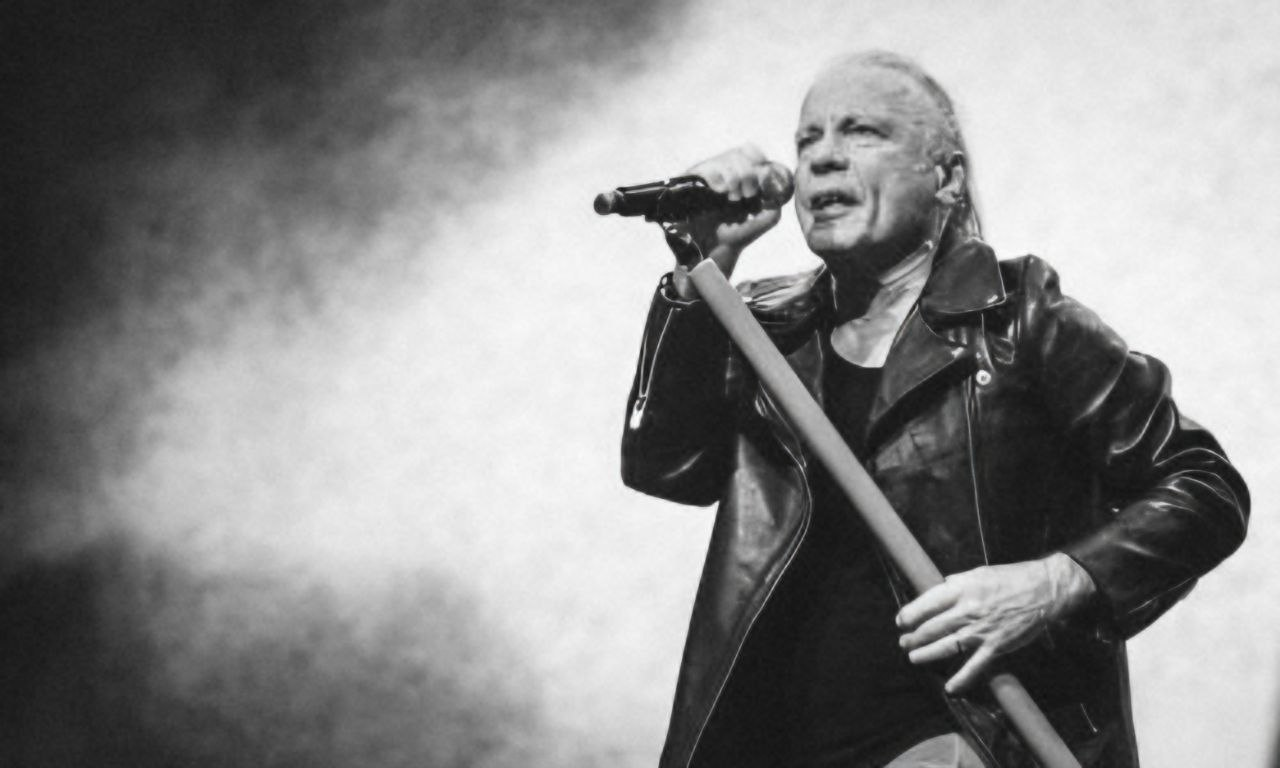
IRON MAIDEN, BRUCE DICKINSON: “THE ROCK & ROLL HALL OF FAME IS IRRELEVANT”
Iron Maiden once again find themselves in the spotlight for their complicated relationship with the Rock & Roll Hall of Fame. The British band has been included in the institution’s Class of 2026, a recognition that arrived after more than twenty years of eligibility. But for Bruce Dickinson, awards and official celebrations are far from a priority.
The Iron Maiden frontman has made his position crystal clear, explaining that recognitions such as the BRIT Awards, the Grammys and the Rock & Roll Hall of Fame are, for him and for the band, essentially irrelevant. Dickinson’s focus is firmly on what Iron Maiden are doing now — and what awaits them on stage.
The situation is particularly curious because, after a long wait, Iron Maiden have finally been officially inducted into the Rock & Roll Hall of Fame’s 2026 class. The list of honored artists also includes historic members and former bandmates such as Paul Di’Anno, Blaze Bayley and Clive Burr.
The recognition comes after a career that has turned Iron Maiden into one of the most important and influential bands in heavy metal history. From their 1980 debut to the albums that shaped the Eighties, the group has built a musical and visual identity that is instantly recognizable, becoming a reference point for generations of musicians and fans.
Despite the prestigious honor, Iron Maiden will not attend the induction ceremony, scheduled for 14 November at the Peacock Theater in Los Angeles. The reason is straightforward: on those same dates, the band will be performing in Australia as part of their Run For Your Lives World Tour, with shows in Melbourne and Sydney.
Dickinson’s stance, however, is nothing new. The singer has repeatedly criticized the Rock & Roll Hall of Fame and the way awards and celebrations are assigned in the music world. For Dickinson, the value of a band should not be determined by a prize or an institution, but by the music they create and the relationship they build with their audience over the years.
Meanwhile, Iron Maiden continue to place the live dimension at the center of their activity. The group has always considered concerts one of the fundamental elements of their identity, and even in this new phase of their career, the direct connection with fans remains a priority.
And the stage remains the band’s true focus. The Run For Your Lives Tour, also tied to the celebrations for Iron Maiden’s 50th anniversary, will continue throughout 2026. The tour is celebrating half a century of history with a setlist centered on early material and the classic songs that helped define the band’s sound.
The tour has also brought back to the stage several tracks Iron Maiden had not performed in many years, giving fans a series of long‑awaited moments. The stage production, as tradition dictates, continues to highlight the band’s iconic imagery, with Eddie once again taking center stage.
The final shows of the year are scheduled in Japan in November, before a break from live activity that is expected to last at least until 2028 — a phase that could mark a new chapter in Iron Maiden’s long history, without altering the philosophy that has guided them for decades.
Ultimately, the band’s story shows that the most important recognition has always come directly from the fans. Millions of albums sold, international tours, stadium concerts and a massive influence on metal have built a legacy that goes far beyond any award.
A message, Bruce Dickinson’s, perfectly aligned with the spirit of Iron Maiden: less attention to awards and institutions, more attention to the music, the concerts and the fans.
By DREW & ELLA WILD
Aggiungi commento
Commenti