

Un altro lutto colpisce il mondo della musica. È morto all'età di 88 anni Del Casher, chitarrista, compositore, musicista di studio e inventore, ricordato soprattutto per il suo fondamentale contributo alla nascita del pedale wah-wah, uno degli effetti più iconici e riconoscibili nella storia della chitarra elettrica. La sua scomparsa, avvenuta il 1° ottobre 2026 dopo una battaglia contro il cancro, è stata resa pubblica soltanto il 9 novembre, attraverso le notizie diffuse dalla stampa musicale internazionale.
Nato il 28 dicembre 1937 a Hammond, nell'Indiana, con il nome di Delton Edward Kacher, Casher aveva costruito una carriera lunga e articolata, muovendosi tra esibizioni dal vivo, registrazioni in studio, sperimentazione tecnologica e composizione musicale. Nel corso degli anni aveva collaborato con artisti come Gene Autry, Lawrence Welk e i Three Suns, entrando progressivamente in contatto con alcune delle realtà più importanti dell'industria musicale americana. Aveva inoltre lavorato come musicista di studio a Los Angeles e partecipato a produzioni cinematografiche e televisive, dimostrando una versatilità che andava ben oltre il ruolo di chitarrista.
Il suo nome, tuttavia, rimarrà indissolubilmente legato al wah-wah. La storia di questo dispositivo cominciò negli anni Sessanta, quando Casher, impegnato con la Vox Ampliphonic Orchestra e in collaborazione con la Thomas Organ Company, intuì le straordinarie possibilità espressive di un circuito capace di modificare il timbro della chitarra, avvicinandolo a una sonorità vocale, quasi simile a quella di una tromba o di un trombone. La sua intuizione contribuì a trasformare un sistema elettronico inizialmente concepito per altri utilizzi in un effetto controllabile con il piede, lasciando al chitarrista la possibilità di modellare il suono durante l'esecuzione. Lo sviluppo tecnico del dispositivo coinvolse in particolare l'ingegnere Brad Plunkett, mentre Casher ebbe un ruolo determinante nell'intuizione musicale, nell'adattamento alla chitarra e nella promozione dello strumento.
Commercializzato nel 1967 e inizialmente conosciuto anche con il nome di Cry Baby, il pedale non conquistò immediatamente il mercato. A contribuire alla sua diffusione fu anche Frank Zappa, che aveva avuto modo di conoscere Casher e il suo lavoro con i Mothers of Invention. Zappa contribuì a far arrivare il dispositivo nelle mani di Jimi Hendrix, destinato a trasformarne l'utilizzo in uno dei simboli assoluti della chitarra rock. Brani come Voodoo Child (Slight Return), Burning of the Midnight Lamp e All Along the Watchtower, contenuti nell'album Electric Ladyland del 1968, contribuirono a consacrare definitivamente il suono wah-wah. Anche Eric Clapton, con i Cream, Jimmy Page, David Gilmour e Tony Iommi furono tra i musicisti che ne esplorarono le possibilità, contribuendo a renderlo parte integrante del linguaggio della musica rock. La sua influenza si sarebbe estesa anche al funk e alla musica soul, come dimostra il celebre Theme from Shaft di Isaac Hayes.
Ma l'ingegno di Del Casher non si fermò a quell'invenzione. Tra i suoi contributi figurano anche l'Ecco-Fonic, un sistema portatile di eco a nastro che consentiva ai musicisti di ottenere particolari effetti sonori durante le esibizioni, e la Fender Electronic Echo Chamber. Collaborò inoltre alla diffusione delle prime tecnologie Roland dedicate alla sintesi sonora per chitarra. Il suo percorso artistico lo portò anche sul grande schermo: nel 1964 apparve accanto a Elvis Presley nel film Il cantante del luna park (Roustabout), confermando una carriera ricca di esperienze e collaborazioni.
Nonostante l'importanza del suo contributo alla storia della musica, Casher aveva spesso lamentato il fatto che il proprio ruolo nella nascita del wah-wah non ricevesse il riconoscimento che meritava. In un'intervista del 2011 al New York Times aveva espresso tutta la sua soddisfazione per aver partecipato a quell'innovazione, aggiungendo però un desiderio semplice e profondamente significativo: «Vorrei soltanto che, ogni tanto, i chitarristi si ricordassero di me. Chiedo solo questo: ricordatevi di me».
Oggi quel desiderio assume un significato particolare. Perché dietro alcuni dei suoni più celebri della storia del rock esistono intuizioni, esperimenti e personalità che non sempre hanno ricevuto la visibilità dei grandi interpreti. Del Casher è stato una di queste figure: un musicista curioso, un innovatore e un uomo capace di contribuire a cambiare per sempre il modo di concepire la chitarra elettrica. La sua eredità continuerà a vivere ogni volta che un chitarrista abbasserà il piede su un pedale wah-wah, dando voce a uno strumento che, grazie anche alla sua intuizione, ha imparato a parlare.
By DREW & ELLA WILD
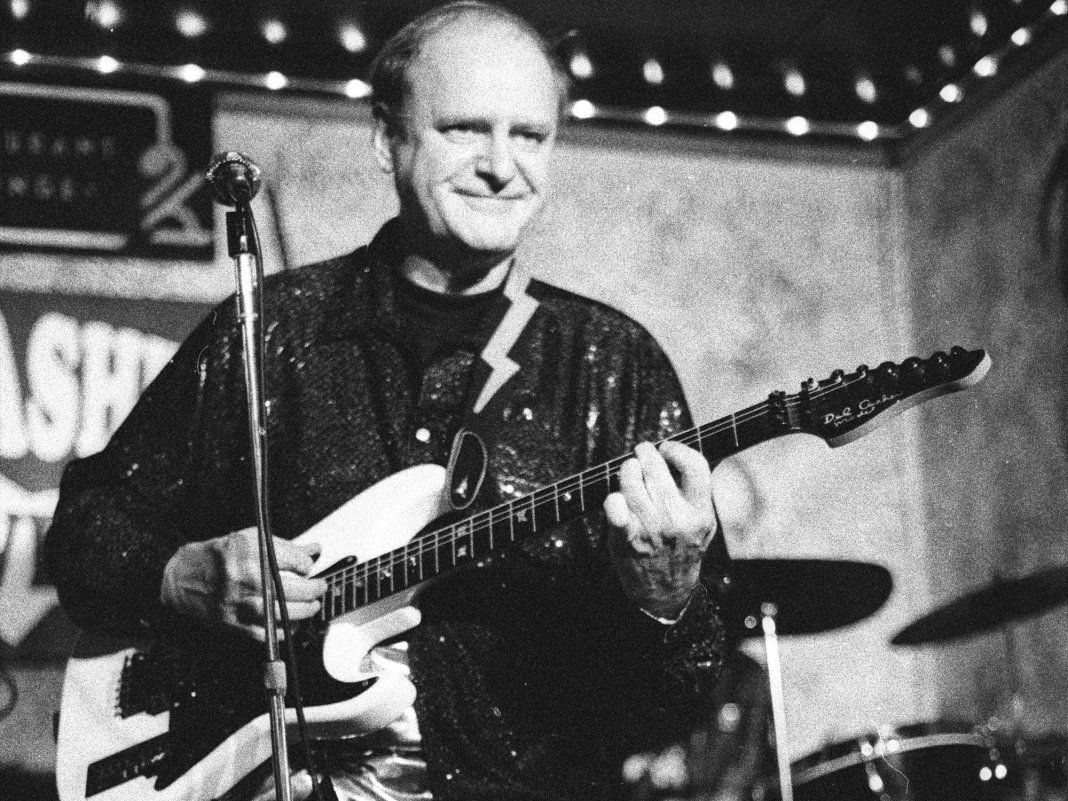
ROCK LOSES ANOTHER PIECE OF ITS HISTORY: FAREWELL TO DEL CASHER
Another loss has struck the music world. Del Casher, the guitarist, composer, session musician and inventor best known for his significant contribution to the development of the wah-wah pedal, one of the most iconic and recognizable effects in electric guitar history, has died at the age of 88. He passed away on October 1, 2026, following a battle with cancer. News of his death was not made public until November 9, when reports began circulating in the international music press.
Born Delton Edward Kacher on December 28, 1937, in Hammond, Indiana, Casher built a long and varied career spanning live performances, studio recordings, technological experimentation and musical composition. Over the years, he worked with artists such as Gene Autry, Lawrence Welk and The Three Suns, gradually establishing connections with some of the most important figures and institutions in the American music industry. He also worked as a session musician in Los Angeles and contributed to film and television productions, demonstrating a versatility that extended far beyond his role as a guitarist.
His name, however, will forever be associated with the wah-wah pedal. The story of this groundbreaking device began in the 1960s, when Casher, working with the Vox Ampliphonic Orchestra in collaboration with the Thomas Organ Company, recognized the extraordinary expressive possibilities of a circuit capable of altering a guitar's tone, giving it an almost vocal quality reminiscent of a trumpet or trombone. His insight helped transform an electronic system originally designed for other purposes into a foot-controlled effect, allowing guitarists to shape and manipulate their sound while playing. The technical development of the device notably involved engineer Brad Plunkett, while Casher played a crucial role in its musical conception, adaptation for guitar and promotion.
Marketed in 1967 and initially also known as the Cry Baby, the pedal did not immediately take the market by storm. Frank Zappa played a role in helping it gain wider recognition. Having met Casher and become familiar with his work with the Mothers of Invention, Zappa helped bring the device to the attention of Jimi Hendrix, who would go on to transform its use into one of the defining sounds of rock guitar. Tracks such as Voodoo Child (Slight Return), Burning of the Midnight Lamp and All Along the Watchtower, featured on the 1968 album Electric Ladyland, helped establish the wah-wah as an essential element of modern guitar playing. Eric Clapton with Cream, Jimmy Page, David Gilmour and Tony Iommi were also among the musicians who explored its possibilities, helping make it an integral part of the rock vocabulary. Its influence would eventually extend into funk and soul as well, as demonstrated by Isaac Hayes' legendary Theme from Shaft.
But Del Casher's ingenuity went far beyond that single invention. His contributions also included the Ecco-Fonic, a portable tape-echo system that allowed musicians to create distinctive sound effects during live performances, as well as the Fender Electronic Echo Chamber. He also contributed to the development and promotion of early Roland technologies dedicated to guitar synthesis. His artistic journey even took him to the big screen: in 1964, he appeared alongside Elvis Presley in the film Roustabout, adding another remarkable chapter to a career filled with experiences and collaborations.
Despite the importance of his contribution to music history, Casher had often expressed frustration that his role in the creation of the wah-wah pedal had not received the recognition he felt it deserved. In a 2011 interview with The New York Times, he spoke about the satisfaction of having contributed to such an important innovation, while also expressing a simple yet deeply meaningful wish: "I just wish that guitarists would remember me every once in a while. That's all I ask: remember me."
Today, those words carry a particular significance. Behind some of the most celebrated sounds in rock history lie brilliant ideas, experiments and creative minds that have not always received the same recognition as the performers who brought them to life. Del Casher was one of those figures: an inquisitive musician, an innovator and a man whose vision helped change the way the electric guitar would be played and understood forever. His legacy will live on every time a guitarist presses down on a wah-wah pedal, giving a voice to an instrument that, thanks in part to his vision, learned how to speak.
By DREW & ELLA WILD
Aggiungi commento
Commenti