

Il ritorno di Michael Stipe a interpretare dal vivo il repertorio dei R.E.M. ha riacceso l’attenzione del mondo musicale su una delle band più influenti del rock alternativo degli ultimi quarant’anni. Dopo diciotto anni di distanza da alcune delle loro canzoni più rappresentative, la voce storica del gruppo ha deciso di tornare a cantare brani che hanno segnato un’epoca, sorprendendo fan e osservatori del settore musicale internazionale.
L’episodio si è verificato durante un evento dal forte valore simbolico, nel quale Stipe ha scelto di riprendere parte del repertorio della band fondata nei primi anni Ottanta insieme a Peter Buck, Mike Mills e Bill Berry. Il cantante, da tempo concentrato su progetti artistici e musicali personali dopo lo scioglimento ufficiale del gruppo nel 2011, non interpretava alcune delle canzoni simbolo della band dalla metà degli anni Duemila, periodo che segnò l’ultima fase delle esibizioni regolari del gruppo.
Nel corso della serata, Stipe ha ripreso a cantare diversi brani storici dei R.E.M., tra cui “Losing My Religion”, uno dei pezzi più celebri della band pubblicato nel 1991 e tratto dall’album “Out of Time”. Il brano, caratterizzato dal celebre riff di mandolino e da un’intensità emotiva che ha contribuito a definire l’identità sonora del gruppo, è stato accolto con entusiasmo dal pubblico, che ha accompagnato il cantante lungo tutta l’esecuzione.
Durante l’evento Stipe ha inoltre interpretato “The One I Love”, pubblicata nel 1987 nell’album “Document”. La canzone rappresenta uno dei momenti di svolta nella carriera dei R.E.M., essendo stata la prima a ottenere un successo significativo nelle classifiche internazionali e ad ampliare la notorietà della band oltre il circuito alternativo statunitense.
Un altro momento particolarmente significativo della performance è arrivato con “It’s the End of the World as We Know It (And I Feel Fine)”, brano celebre per il suo ritmo incalzante e per il testo ricco di riferimenti culturali e storici. L’energia dell’esecuzione ha riportato alla mente l’intensità delle esibizioni live che hanno caratterizzato il periodo di massimo successo della band tra gli anni Ottanta e Novanta.
Stipe ha inoltre ripreso “Man on the Moon”, il singolo del 1992 tratto dall’album “Automatic for the People”, dedicato alla figura del comico americano Andy Kaufman. L’interpretazione del brano ha assunto un tono particolarmente emotivo, con il cantante che ha modulato la voce con grande delicatezza, ricordando lo stile che rese la canzone una delle più amate del repertorio della band.
Tra le canzoni proposte è tornata anche “Everybody Hurts”, uno dei brani più intensi e universalmente riconosciuti dei R.E.M., anch’esso tratto da “Automatic for the People”. Il pezzo, noto per il suo messaggio di conforto e solidarietà nei confronti di chi attraversa momenti difficili, è stato eseguito con un arrangiamento sobrio che ha lasciato spazio alla voce di Stipe e alla partecipazione del pubblico.
Il ritorno a queste canzoni assume un significato particolare se si considera la storia recente dell’artista. Dopo la fine dei R.E.M., annunciata ufficialmente nel 2011 con una decisione condivisa dai membri del gruppo, Michael Stipe ha intrapreso un percorso artistico più sperimentale e multidisciplinare, dedicandosi non solo alla musica ma anche alla fotografia, alla produzione artistica e a diversi progetti creativi. Negli anni successivi ha pubblicato sporadicamente nuovi brani come solista, mantenendo tuttavia una certa distanza dal repertorio storico della band.
Proprio per questo motivo la scelta di tornare a interpretare alcune delle canzoni più iconiche dei R.E.M. è stata percepita come un momento di grande rilevanza per il pubblico e per la critica musicale. Non si è trattato soltanto di una semplice esecuzione nostalgica, ma di una rilettura consapevole di un repertorio che continua a esercitare una forte influenza sulla musica contemporanea.
I R.E.M., infatti, sono considerati una delle formazioni fondamentali nello sviluppo del rock alternativo. Sin dagli esordi negli anni Ottanta, con album come “Murmur” e “Reckoning”, la band contribuì a definire un linguaggio musicale che avrebbe influenzato generazioni di artisti. Il loro stile, caratterizzato dalla chitarra distintiva di Peter Buck, dalle armonie vocali di Mike Mills e dalla voce intensa e spesso enigmatica di Michael Stipe, si impose progressivamente sulla scena internazionale.
Negli anni Novanta il gruppo raggiunse il picco della propria popolarità con album come “Out of Time” e “Automatic for the People”, lavori che consolidarono la loro reputazione sia dal punto di vista commerciale sia da quello artistico. Canzoni come “Losing My Religion”, “Man on the Moon” ed “Everybody Hurts” diventarono veri e propri punti di riferimento per il pubblico globale, contribuendo a definire l’identità culturale del rock di quel periodo.
Il ritorno di Stipe a queste canzoni, dopo quasi due decenni di distanza da alcune di esse, assume quindi un valore che va oltre il semplice gesto simbolico. Per molti osservatori rappresenta una testimonianza della vitalità di un repertorio che continua a parlare a generazioni diverse di ascoltatori.
Sebbene non vi siano annunci ufficiali riguardo a una possibile reunion dei R.E.M., l’episodio ha inevitabilmente alimentato l’immaginazione dei fan. La sola idea di riascoltare dal vivo queste canzoni nella voce del loro interprete originale ha riacceso il dibattito su quanto il lascito artistico della band rimanga ancora oggi centrale nella storia della musica rock.
In ogni caso, la scelta di Michael Stipe di tornare a cantare alcuni dei brani più significativi dei R.E.M. dimostra come il rapporto tra un artista e il proprio repertorio possa evolversi nel tempo senza perdere la propria forza espressiva. Dopo diciotto anni di distanza, quelle canzoni sono tornate a vivere sul palco con una nuova consapevolezza, confermando il ruolo di Stipe come una delle voci più riconoscibili e influenti della musica contemporanea.
A cura di DREW ed ELLA WILD
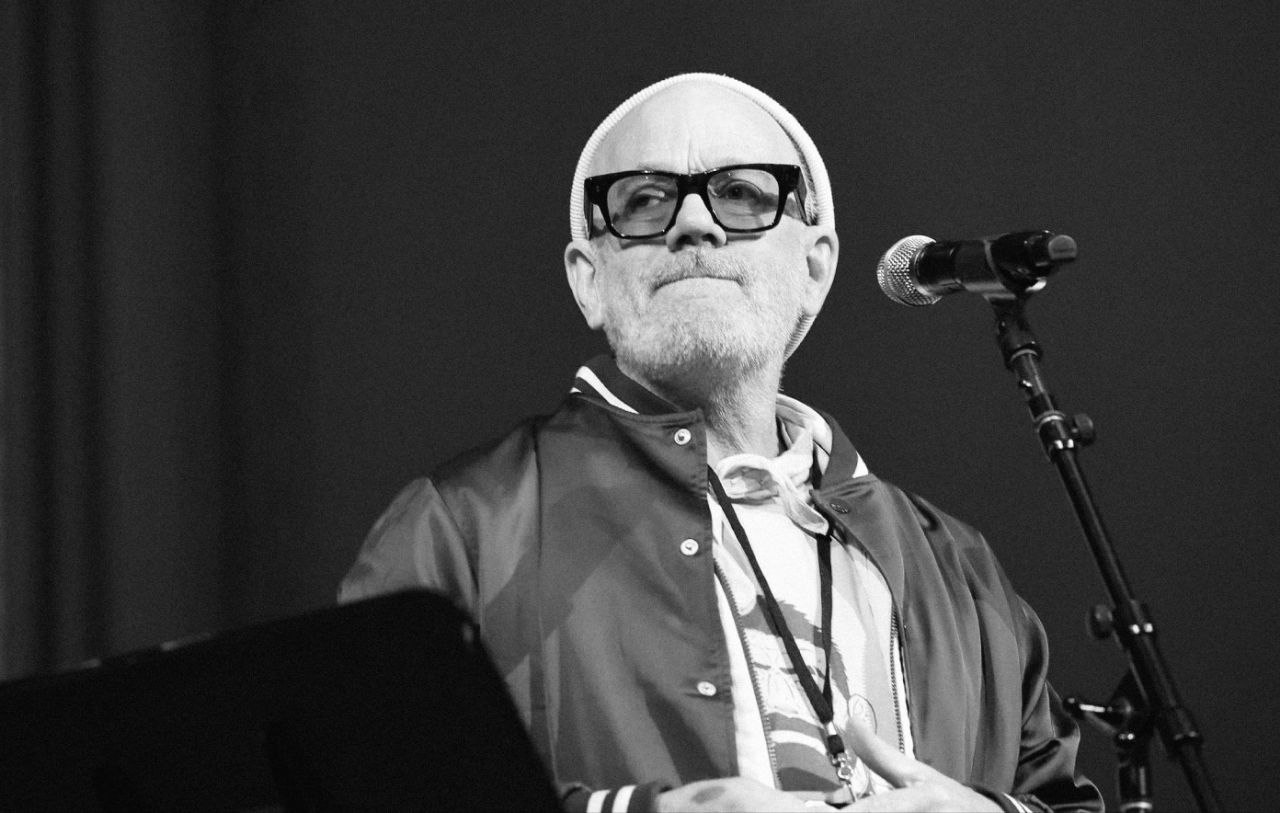
MICHAEL STIPE SINGS R.E.M. AGAIN AFTER 18 YEARS
Michael Stipe’s return to performing R.E.M.’s repertoire live has reignited the music world’s attention on one of the most influential alternative rock bands of the past forty years. After eighteen years away from some of their most iconic songs, the group’s legendary voice has decided to revisit tracks that defined an era, surprising fans and observers across the international music scene.
The moment took place during an event with strong symbolic value, where Stipe chose to revisit part of the repertoire of the band he founded in the early Eighties alongside Peter Buck, Mike Mills, and Bill Berry. The singer, who has long focused on personal artistic and musical projects following the group’s official breakup in 2011, had not performed some of the band’s signature songs since the mid‑2000s, the period marking the final phase of R.E.M.’s regular live activity.
During the evening, Stipe performed several of R.E.M.’s historic tracks, including Losing My Religion, one of the band’s most celebrated songs, released in 1991 on the album Out of Time. Characterized by its iconic mandolin riff and emotional intensity, the song helped define the group’s sonic identity and was met with overwhelming enthusiasm from the audience, who sang along throughout the performance.
Stipe also revisited The One I Love, released in 1987 on the album Document. The track represents a turning point in R.E.M.’s career, as it was their first major international chart success and significantly expanded the band’s visibility beyond the American alternative circuit.
Another particularly meaningful moment came with It’s the End of the World as We Know It (And I Feel Fine), famous for its rapid‑fire delivery and lyrics packed with cultural and historical references. The energy of the performance evoked the intensity of the band’s live shows during their peak years in the Eighties and Nineties.
Stipe also performed Man on the Moon, the 1992 single from Automatic for the People, dedicated to American comedian Andy Kaufman. His rendition carried a notably emotional tone, with the singer shaping his voice with great delicacy, recalling the style that made the song one of the most beloved in the band’s catalogue.
Among the songs performed was also Everybody Hurts, one of R.E.M.’s most powerful and universally recognized tracks, also from Automatic for the People. Known for its message of comfort and solidarity toward those facing difficult moments, the piece was delivered with a stripped‑down arrangement that highlighted Stipe’s voice and the audience’s participation.
This return to the band’s repertoire carries particular significance when viewed against the artist’s recent history. After R.E.M.’s dissolution, officially announced in 2011 as a mutual decision among the members, Michael Stipe embarked on a more experimental and multidisciplinary artistic path, devoting himself not only to music but also to photography, visual art, and various creative projects. In the years that followed, he released new solo material sporadically, while maintaining a certain distance from the band’s classic catalogue.
For this reason, his decision to revisit some of R.E.M.’s most iconic songs has been perceived as a moment of great importance by both fans and the music press. It was not merely a nostalgic gesture, but a conscious reinterpretation of a body of work that continues to exert a profound influence on contemporary music.
R.E.M. are widely regarded as one of the foundational bands in the development of alternative rock. From their early days in the Eighties, with albums such as Murmur and Reckoning, the group helped define a musical language that would influence generations of artists. Their style, shaped by Peter Buck’s distinctive guitar work, Mike Mills’ vocal harmonies, and Michael Stipe’s intense and often enigmatic voice, gradually established itself on the international scene.
In the Nineties, the band reached the peak of their popularity with albums like Out of Time and Automatic for the People, records that cemented their reputation both commercially and artistically. Songs such as Losing My Religion, Man on the Moon, and Everybody Hurts became true cultural touchstones for global audiences, helping define the musical identity of that era.
Stipe’s return to these songs, after nearly two decades away from some of them, therefore carries a significance that goes beyond a symbolic gesture. For many observers, it stands as proof of the enduring vitality of a repertoire that continues to resonate with listeners across different generations.
Although there have been no official announcements regarding a possible R.E.M. reunion, the episode has inevitably sparked the imagination of fans. The mere idea of hearing these songs live again, sung by their original voice, has reignited discussion about how central the band’s artistic legacy remains in the history of rock music.
In any case, Michael Stipe’s decision to revisit some of R.E.M.’s most meaningful tracks demonstrates how the relationship between an artist and their repertoire can evolve over time without losing expressive power. After eighteen years, these songs have returned to the stage with renewed awareness, reaffirming Stipe’s place as one of the most recognizable and influential voices in contemporary music.
By DREW And ELLA WILD
Aggiungi commento
Commenti