


Nella Birmingham operaia della fine degli anni Sessanta, tra fabbriche fumanti e cieli grigi, quattro ragazzi cercavano una via di fuga da un destino già scritto.
Tony Iommi, chitarrista segnato da un incidente che lo costrinse a reinventare il suo modo di suonare; Geezer Butler, bassista visionario e appassionato di occultismo; Bill Ward, batterista con radici jazz e un istinto esplosivo; e Ozzy Osbourne, voce ruvida e carismatica, capace di trasformare fragilità in energia pura.
Inizialmente si chiamarono Polka Tulk Blues Band, poi Earth, inseguendo il linguaggio del blues rock. Ma nulla sembrava funzionare davvero. Finché un cinema di fronte alla sala prove, che proiettava film dell’orrore, accese l’idea: creare musica che evocasse paura. Butler portò testi oscuri, Iommi abbassò l’accordatura per adattarsi alle sue dita mutilate, e nacque il riff di “Black Sabbath”. Quel suono cupo e sinistro non somigliava a nulla di conosciuto: era l’inizio di una rivoluzione.
Il debutto del 1970, Black Sabbath, fu un colpo di fulmine. Atmosfere lugubri, riff monolitici e testi intrisi di inquietudine segnarono la nascita dell’heavy metal. Pochi mesi dopo arrivò Paranoid, con brani come “Iron Man” e “War Pigs”, che consacrarono la band a livello mondiale. La stampa li guardava con diffidenza, ma il pubblico li abbracciava con entusiasmo crescente.
In the working-class Birmingham of the late 1960s, amid smoking factories and grey skies, four young men sought an escape from a destiny already written. Tony Iommi, a guitarist scarred by an accident that forced him to reinvent his way of playing; Geezer Butler, a visionary bassist fascinated by the occult; Bill Ward, a drummer with jazz roots and explosive instinct; and Ozzy Osbourne, a rough, charismatic voice capable of turning fragility into pure energy.
At first they called themselves Polka Tulk Blues Band, then Earth, chasing the language of blues rock. But nothing seemed to truly work. Until a cinema across from their rehearsal room, which screened horror films, sparked the idea: to create music that evoked fear. Butler brought dark lyrics, Iommi lowered the tuning to adapt to his injured fingers, and the riff of “Black Sabbath” was born. That gloomy, sinister sound resembled nothing known before: it was the beginning of a revolution.
Their 1970 debut, Black Sabbath, was a thunderbolt. Gloomy atmospheres, monolithic riffs, and lyrics steeped in unease marked the birth of heavy metal. Just a few months later came Paranoid, with tracks like “Iron Man” and “War Pigs,” which consecrated the band worldwide. The press eyed them with suspicion, but the audience embraced them with growing enthusiasm.


Il viaggio sonoro dei Black Sabbath
Ogni album dei Black Sabbath è come una tappa di un pellegrinaggio oscuro, un percorso che parte dalle strade grigie di Birmingham e si snoda attraverso mezzo secolo di rivoluzioni musicali. Non è solo una discografia: è una storia di metamorfosi, cadute e rinascite, di visioni che hanno plasmato l’intero linguaggio dell’heavy metal.
Gli anni della creazione (1970–1973)
Il cammino inizia con Black Sabbath (1970), registrato in un solo giorno, come se la band avesse voluto catturare l’urgenza di un incubo. Il riff in tritono di Iommi e la voce tormentata di Ozzy aprono un portale verso un mondo mai esplorato: cupo, pesante, inquietante.
Pochi mesi dopo arriva Paranoid, manifesto definitivo del nuovo genere. “Iron Man” e “War Pigs” diventano inni di ribellione, mentre la title track, nata quasi per caso, li catapulta nell’Olimpo del rock.
Con Master of Reality (1971) il suono si fa ancora più grave, più cavernoso. È qui che nascono le radici del doom e dello stoner, con brani come “Children of the Grave” e “Into the Void”.
Vol. 4 (1972) racconta invece l’eccesso: registrato a Los Angeles, è un disco intriso di cocaina e sperimentazione. Tra i riff devastanti di “Supernaut” e la delicatezza inattesa di “Changes”, i Sabbath mostrano la loro doppia anima: titanica e fragile.
Infine, Sabbath Bloody Sabbath (1973) segna la maturità. Tastiere, orchestrazioni e arrangiamenti complessi arricchiscono il loro linguaggio. È il momento in cui il metal incontra il progressive, e la band dimostra di poter essere sofisticata senza perdere la sua forza primordiale.
La tensione e la trasformazione (1975–1978)
Sabotage (1975) riflette un periodo di caos legale e personale. La musica è tagliente, rabbiosa, anticipa il thrash con “Symptom of the Universe”. È un album che mostra i Sabbath come guerrieri feriti ma ancora combattivi.
Con Never Say Die! (1978) si chiude l’era di Ozzy. È un disco segnato da tensioni e stanchezza, ma anche da lampi di genio. È il canto del cigno di una formazione che aveva già inciso il proprio mito.
L’epoca di Dio (1980–1981)
Il destino porta Ronnie James Dio a raccogliere il testimone. Con Heaven and Hell (1980) i Sabbath rinascono: la voce teatrale e potente di Dio trasforma il suono in qualcosa di epico e mitologico. La title track diventa un inno immortale.
Mob Rules (1981) consolida questa nuova identità: più duro, più compatto, con brani come “The Sign of the Southern Cross” che sembrano scolpiti nel marmo del metal classico.
Esperimenti e oscurità (1983–1995)
Gli anni Ottanta e Novanta sono un terreno accidentato. Con Born Again (1983), Ian Gillan dei Deep Purple porta la band in territori strani e demoniaci, con un suono controverso ma affascinante.
Poi arriva l’era di Tony Martin, con album come Headless Cross (1989) e Cross Purposes (1994). Qui i Sabbath si tingono di atmosfere gotiche e melodiche, dimostrando che il loro linguaggio può adattarsi ai tempi senza perdere intensità.
Il ritorno alle origini (2013)
Dopo decenni di cambi e frammentazioni, il cerchio si chiude con 13 (2013). Ozzy, Iommi e Butler tornano insieme, evocando volutamente il suono dei primi anni Settanta. Brani come “God Is Dead?” e “End of the Beginning” sono dichiarazioni di identità: i pionieri del metal riaffermano la loro eredità, dimostrando che il tempo non ha scalfito la loro potenza.
The Sonic Journey of Black Sabbath
Every Black Sabbath album is like a stage in a dark pilgrimage, a path that begins on the grey streets of Birmingham and winds through half a century of musical revolutions. It is not just a discography: it is a story of metamorphosis, falls and rebirths, of visions that shaped the entire language of heavy metal.
The Years of Creation (1970–1973)
The journey begins with Black Sabbath (1970), recorded in a single day, as if the band wanted to capture the urgency of a nightmare. Iommi’s tritone riff and Ozzy’s tormented voice open a portal to an unexplored world: dark, heavy, unsettling.
A few months later came Paranoid, the definitive manifesto of the new genre. “Iron Man” and “War Pigs” became anthems of rebellion, while the title track, born almost by chance, catapulted them into the Olympus of rock.
With Master of Reality (1971), the sound grew even deeper, more cavernous. Here lie the roots of doom and stoner, with tracks like “Children of the Grave” and “Into the Void.”
Vol. 4 (1972) tells the story of excess: recorded in Los Angeles, it is an album steeped in cocaine and experimentation. Between the devastating riffs of “Supernaut” and the unexpected delicacy of “Changes,” Sabbath revealed their dual soul: titanic and fragile.
Finally, Sabbath Bloody Sabbath (1973) marked maturity. Keyboards, orchestrations, and complex arrangements enriched their language. It was the moment when metal met progressive, and the band proved they could be sophisticated without losing their primal force.
Tension and Transformation (1975–1978)
Sabotage (1975) reflects a period of legal and personal chaos. The music is sharp, furious, foreshadowing thrash with “Symptom of the Universe.” It is an album that shows Sabbath as wounded warriors, still fighting.
With Never Say Die! (1978), the Ozzy era came to a close. It is a record marked by tension and fatigue, but also flashes of genius. The swan song of a lineup that had already carved its myth.
The Dio Era (1980–1981)
Fate brought Ronnie James Dio to take up the torch. With Heaven and Hell (1980), Sabbath were reborn: Dio’s theatrical and powerful voice transformed the sound into something epic and mythological. The title track became an immortal anthem.
Mob Rules (1981) consolidated this new identity: harder, tighter, with songs like “The Sign of the Southern Cross” that seemed carved in the marble of classic metal.
Experiments and Darkness (1983–1995)
The 1980s and 1990s were rough terrain. With Born Again (1983), Ian Gillan of Deep Purple led the band into strange, demonic territories, with a controversial yet fascinating sound.
Then came the Tony Martin era, with albums like Headless Cross (1989) and Cross Purposes (1994). Here Sabbath embraced gothic and melodic atmospheres, proving their language could adapt to the times without losing intensity.
Return to Origins (2013)
After decades of changes and fragmentation, the circle closed with 13 (2013). Ozzy, Iommi, and Butler reunited, deliberately evoking the sound of the early 1970s. Tracks like “God Is Dead?” and “End of the Beginning” were statements of identity: the pioneers of metal reaffirmed their legacy, showing that time had not diminished their power.


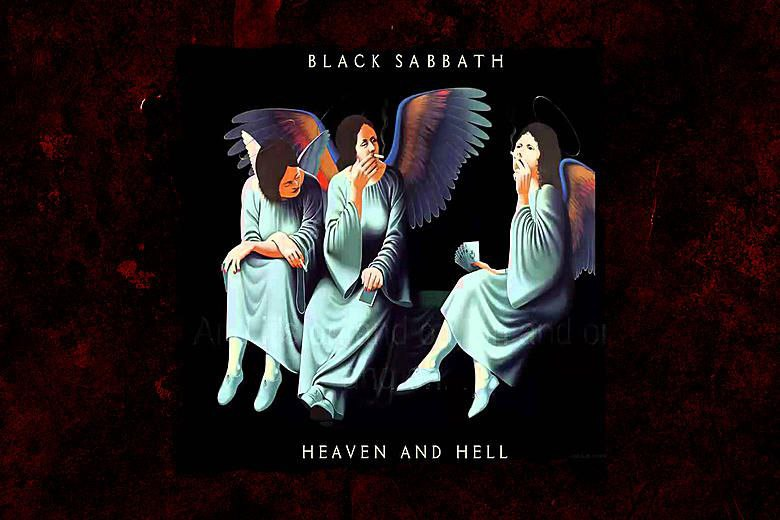


Dietro il successo, però, si nascondevano tensioni e dipendenze. Ozzy, spirito ribelle e autodistruttivo, divenne il cuore pulsante e al tempo stesso il tallone d’Achille del gruppo. Dopo Never Say Die! (1978), la rottura fu inevitabile. Ma i Black Sabbath non si fermarono: con l’arrivo di Ronnie James Dio, la band trovò nuova linfa. Heaven and Hell (1980) e Mob Rules (1981) ridisegnarono il loro suono, epico e potente, dimostrando che la fiamma non si era spenta.
Gli anni Ottanta e Novanta furono un terreno accidentato: cambi di formazione, pause, ritorni e nuove sperimentazioni. Ian Gillan, Tony Martin e altri prestarono la voce a un gruppo che sembrava destinato a dissolversi e rinascere di continuo. Eppure Tony Iommi rimase sempre lì, custode del nucleo creativo, pronto a riportare i Sabbath in vita ogni volta che sembravano scomparire.
Sul finire degli anni Novanta, la formazione originale tornò insieme per una serie di concerti che riaccesero l’entusiasmo dei fan. La vera rinascita arrivò nel 2013 con 13, album che riunì Iommi, Butler e Ozzy, accompagnati da Brad Wilk alla batteria. Il disco riportò la band ai vertici delle classifiche, chiudendo idealmente il cerchio iniziato nel 1970.
Il capitolo finale si scrisse nel 2017, con il tour d’addio The End, concluso proprio a Birmingham, là dove tutto era cominciato. Da allora, ognuno ha seguito la propria strada: Iommi impegnato in progetti musicali e beneficenza, Butler nella scrittura e nell’attivismo, Ozzy alle prese con la salute ma ancora icona globale, Ward più riservato ma legato emotivamente alla storia comune.
Il lascito dei Black Sabbath va oltre la musica. Hanno inventato un linguaggio, dato forma all’immaginario oscuro del rock e influenzato generazioni di artisti. La loro parabola dimostra come quattro ragazzi di una città industriale abbiano trasformato fragilità e contraddizioni in un mito eterno. Ogni riff, ogni nota, ogni parola continua a vibrare con la stessa potenza delle origini: il suono di un mondo che non aveva mai ascoltato nulla di simile.
Behind the success, however, lay tensions and addictions. Ozzy, a rebellious and self-destructive spirit, became both the beating heart and the Achilles’ heel of the group. After Never Say Die! (1978), the split was inevitable. But Black Sabbath did not stop: with the arrival of Ronnie James Dio, the band found new lifeblood. Heaven and Hell (1980) and Mob Rules (1981) reshaped their sound—epic and powerful—proving that the flame had not gone out.
The 1980s and 1990s were a rough terrain: lineup changes, breaks, comebacks, and new experiments. Ian Gillan, Tony Martin, and others lent their voices to a band that seemed destined to dissolve and be reborn over and over again. Yet Tony Iommi was always there, guardian of the creative core, ready to bring Sabbath back to life whenever they seemed to vanish.
Toward the end of the 1990s, the original lineup reunited for a series of concerts that reignited fans’ enthusiasm. The true rebirth came in 2013 with 13, an album that reunited Iommi, Butler, and Ozzy, joined by Brad Wilk on drums. The record brought the band back to the top of the charts, ideally closing the circle that had begun in 1970.
The final chapter was written in 2017, with the farewell tour The End, concluded in Birmingham, right where it had all started. Since then, each has followed his own path: Iommi engaged in musical projects and charity, Butler in writing and activism, Ozzy struggling with health yet still a global icon, Ward more reserved but emotionally tied to their shared history.
The legacy of Black Sabbath goes beyond music. They invented a language, gave shape to rock’s dark imagery, and influenced generations of artists. Their story shows how four boys from an industrial city transformed fragility and contradictions into an eternal myth. Every riff, every note, every word continues to resonate with the same power as in the beginning: the sound of a world that had never heard anything like it.


Aggiungi commento
Commenti